.png)
Today, scams are prevalent and daily occurrences. As technology and AI evolves and our world becomes increasingly connected, scammers have adapted their tactics, often preying on older adults. Financial loss, emotional distress, and breach of trust are just some of the consequences of falling victim to these schemes.
By understanding the most prevalent scams today, older Americans—and their loved ones—can better protect themselves.
Here are six of the top scams targeting older Americans:
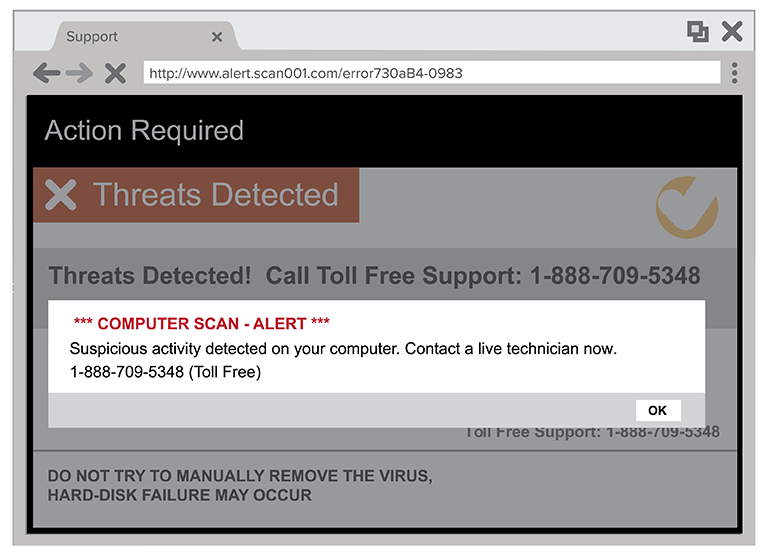
Tech Support Scams: These can be in the form of a pop-up screen on your computer or phone, or a phone call or text. Many claim to be from a tech company like Microsoft or McAfee. The scammer insists there's a virus or issue with your computer. They may ask for remote access to your computer. You wouldn’t let a stranger into your house, don’t let one into your computer! Remember: legitimate tech companies won't contact you unsolicited. How To Spot, Avoid, and Report Tech Support Scams | Consumer Advice!
Family Imposter Scams: Fraudsters pose as a loved one by phone or by hacking personal emails or social media accounts. Whether it’s a grandchild in trouble or family member overseas who lost their personal belongings, the narrative includes an urgent need for money to cover bail, hospital bills, or travel. They may urge secrecy and request a wire transfer. Always verify the identity of a caller claiming to be a loved one—call them directly. Imposter Scams | OCC
Government Impersonation Scams: Some scammers pose as IRS or Social Security agents, claiming you're under investigation or owe taxes. These calls can sound threatening, demanding immediate payment to avoid arrest or loss of benefits. Or it could be a Medicare scam, with someone offering you a new card or equipment. Hang up and call the number on the back of your card. Know that government agencies typically communicate through official mail, not aggressive phone calls. How To Avoid a Government Impersonation Scam | Consumer Advice
Here are a few tips from the FTC:
- Don’t trust caller ID – it can be faked.
- Never pay with a gift card or wire transfer.
- Check with the real agency. Look up their number. Call them to find out if they’re trying to reach you – and why.
Celebrity Imposter/Product Endorsement Scams: Celebrity impostor scams may involve phony product endorsements claiming to be featured on Shark Tank or endorsed by Oprah. Don’t be fooled – do your own independent research before clicking on any of these products. At best it may be a cheap or ineffective product or you don’t receive one at all. At worst – you may have just given a scammer your credit card information.
Another celebrity scam occurs where people believe they’ve entered a romance or friendship with a celebrity. The supposed celebrity may ask you to send money to claim a prize, donate to a charity, or give help of some kind. Again, do some online research, search the celebrity’s name plus “scam.”
Sweepstakes and Lottery Scams: A phone call or email might inform you of an unbelievable prize—only to request upfront payment of taxes or fees to claim it. Unfortunately, no legitimate sweepstakes or lottery requires payment to receive winnings. If it sounds too good to be true, it probably is. Fake Prize, Sweepstakes, and Lottery Scams | Consumer Advice
Fake Wrong Number Texts or Romance Scams: A text arrives from an unknown source. Just a quick hello or an elaborate ruse about their sick puppy. You innocently inform them “wrong number”. But then they continue to respond, trying to engage you in further conversation. Loneliness can make people vulnerable. Afterall, what harm could there be in just a little conversation? Scammers work to form a relationship and build trust over time, whether in a romantic or even platonic way. Then they ask for money to cover fabricated emergencies or travel expenses. Or they’ve had a great success and want to help you take advantage of it, leading you into some sort of crypto or investment scam. Protect yourself by being cautious with online connections and never send money to someone you've never met in person. How to Avoid ‘Wrong Number’ Text Scams
.png)
How to Protect Yourself
- Pause and Verify: When confronted with urgent requests or offers, take a moment to assess the situation and verify the identity of the caller or email sender.
- Secure Personal Information: Avoid sharing sensitive details like your Social Security number, banking information, or passwords with strangers or unverified sources.
- Be Skeptical of Pressure Tactics: Scammers thrive on urgency. If someone insists you act immediately, it's likely a red flag.
- Talk to Loved Ones: Discuss potential scams with family members so they can help identify suspicious activity.
How to Report A Scam
Scams often go unreported, and even when they are reported, it is extremely difficult to trace and catch scammers. Estimates show only about 5% of cybercriminals are caught. Regardless, it is still critical to tell others and report a scam. When you report a scam, authorities can use the information to build cases against scammers, spot trends, educate the public, and share data about what is happening.
If you experience a scam — or even spot one, report it to the FTC at ReportFraud.ftc.gov and/or the FBI’s Internet Crime Complaint Center (IC3). The Federal Trade Commission also provides a detailed list of what to do if you or a loved one paid a scammer, provided a scammer personal information, or the scammer has access to your computer or phone.
Bottom Line
Scammers are constantly refining their tricks, but with knowledge and vigilance, we can stay one step ahead. Awareness is our strongest defense. If you're an older adult—or someone with loved ones in this demographic—share this information widely to help create a safer environment for all.
Do you know someone who might benefit from reading this article? Help others stay informed - copy & share the link!
